NEMBHARAT
World Economic Mobility
Alpine Science • 4 min read • Oct 19, 2026 • 891 views

High-Altitude Physiology: The Science of Acclimatization at 14,000 ft

Understanding how barometric pressure drops, oxygen partial pressures decline, and what your body does at the cellular level during rapid alpine ascents.

WE
WEML Executive Administrator Field Dispatcher • High-Altitude Desk
High-Altitude Physiology: The Science of Acclimatization at 14,000 ft

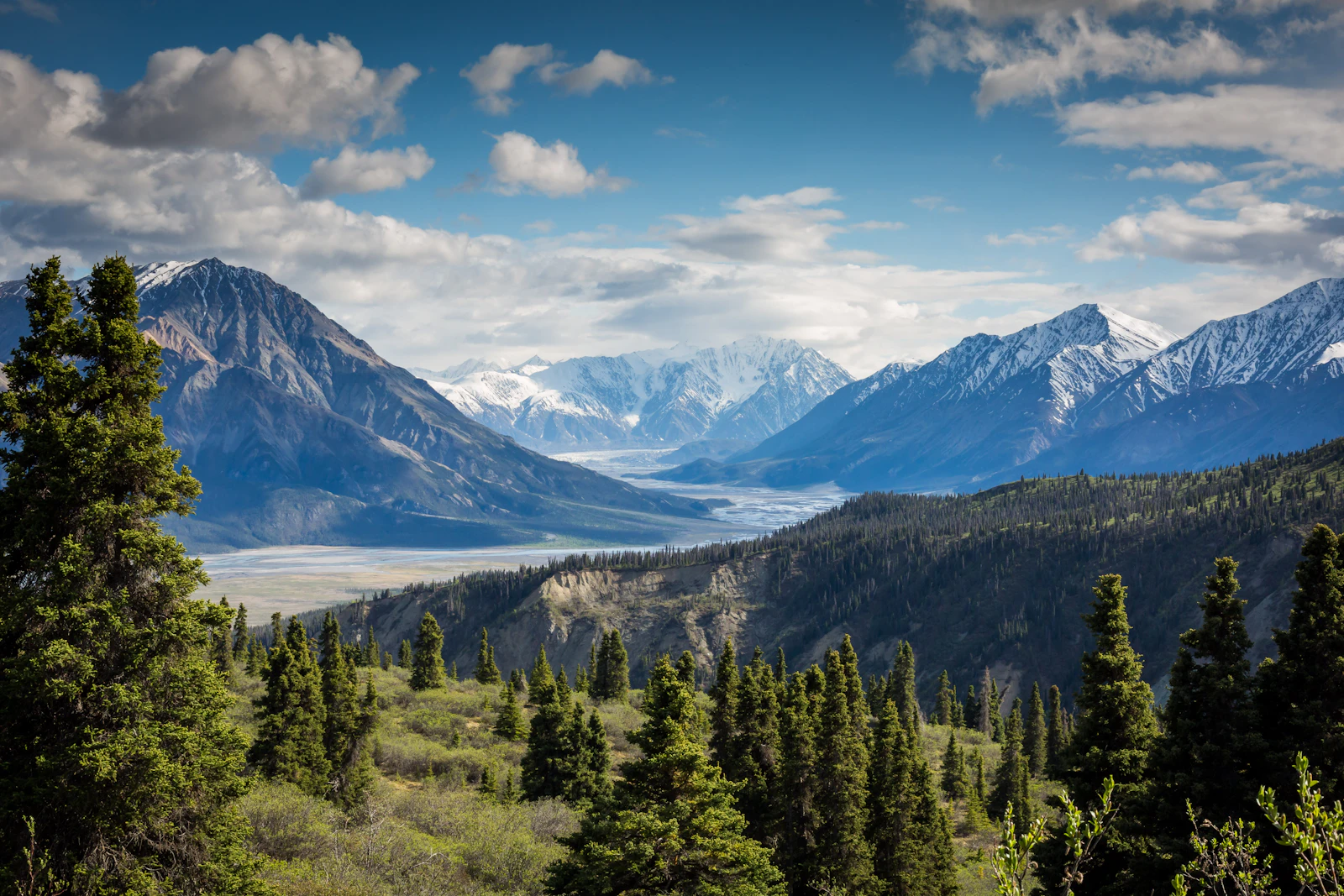
High-altitude field documentation • NemBharat Research & Expedition Archives

The Mechanics of Hypobaric Hypoxia

When you stand at sea level, atmospheric pressure rests at approximately 760 mmHg, providing an effective oxygen fraction that effortlessly saturates blood hemoglobin near 98–99%. At 14,000 feet (4,267 meters), the percentage of oxygen in the air remains 20.9%, but the atmospheric pressure drops precipitously by roughly 40%.

The Triad of Alpine Adaptation

  1. Hyperventilation & Respiratory Alkalosis: Chemoreceptors detect falling arterial oxygen, driving up respiration.
  2. Erythropoietin (EPO) Surge: Kidneys produce EPO to stimulate red blood cell creation.
  3. Pacing and Rest Step: Synchronized rest-step pacing keeps heart rates within Zone 2 endurance thresholds.
WE

WEML Executive Administrator

Verified Author

World Economic Mobility Limited (WEML) expedition collective documenting alpine science, local Himalayan economies, and regenerative travel corridors across Uttarakhand.

Recommended Reading

More Dispatches from the Field

View All arrow_forward